Air travel can be unpredictable, with flight delays, cancellations, and last-minute schedule changes disrupting even the best-laid plans. For savvy travelers seeking flexibility and potential savings, flying standby presents an intriguing alternative to traditional booking methods. This travel strategy allows passengers to board flights without confirmed reservations, offering both opportunities and challenges that can significantly impact your journey. Understanding how standby flights operate, who can access them, and what strategies maximize success rates becomes essential for anyone considering this approach. Whether you’re a budget-conscious traveler, someone with flexible schedules, or simply curious about alternative booking methods, mastering the art of standby travel can open doors to spontaneous adventures and cost-effective transportation solutions.
Understanding Standby Flight Fundamentals
Flying standby essentially means attempting to board a flight without a confirmed seat reservation. Passengers on standby lists wait for available seats that become open due to no-shows, last-minute cancellations, or aircraft changes that create additional capacity. Airlines maintain standby lists for each flight, prioritizing passengers based on various factors including ticket type, elite status, fare class, and check-in time.
The standby system serves multiple purposes within airline operations. It helps airlines maximize revenue by filling seats that would otherwise remain empty, while providing passengers with flexibility to change their travel plans. Standby passengers typically pay lower fares or use this option when seeking earlier or later flights than their original booking.
Modern airline standby procedures have become more structured compared to historical practices. Gone are the days when passengers could simply show up at airports hoping to catch any available flight. Current standby systems require advance registration, specific eligibility criteria, and adherence to airline policies that vary significantly between carriers.
Who Can Actually Fly Standby?
Standby eligibility depends largely on your relationship with the airline and ticket type. Airline employees and their families traditionally receive the most generous standby privileges, often flying at heavily discounted rates or free as part of employment benefits. These passengers typically receive higher priority on standby lists, though they usually fly only when paying customers have been accommodated.
Passengers holding flexible or full-fare tickets often enjoy standby privileges for earlier flights on the same day without additional charges. Many airlines extend standby options to elite frequent flyers, providing this perk as part of their loyalty program benefits. Some carriers offer same-day standby for a fee, typically ranging from $25 to $100, allowing passengers with cheaper tickets to attempt earlier flights.
Military personnel on active duty frequently receive special standby considerations, with many airlines waiving fees or providing priority placement on standby lists. International flights generally have more restrictive standby policies due to customs, immigration, and security requirements that complicate last-minute passenger changes.
The Step-by-Step Standby Process
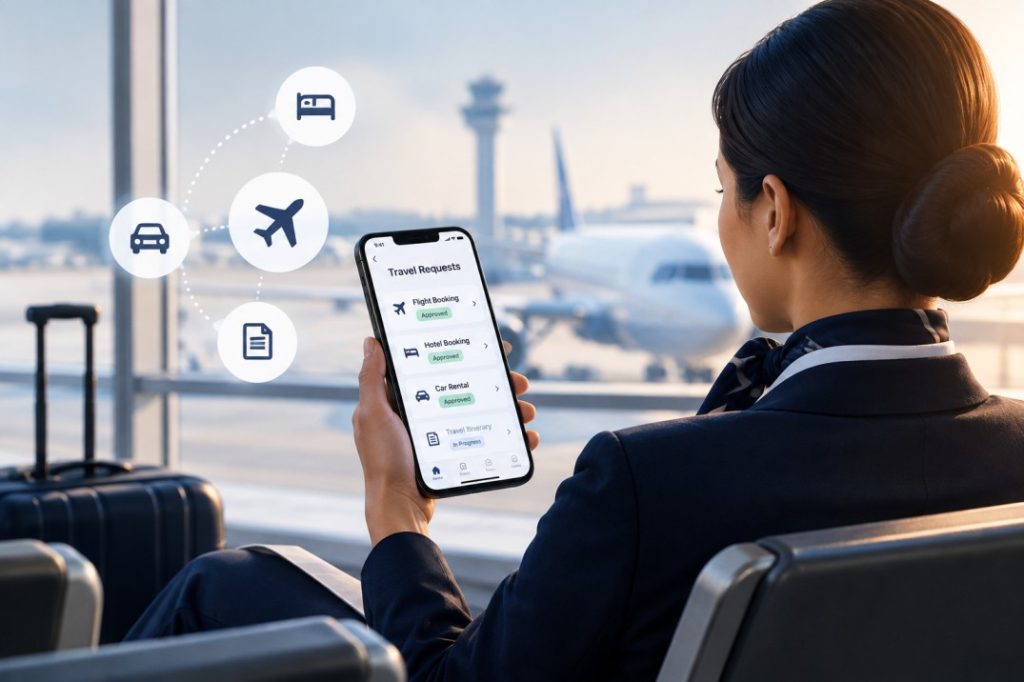
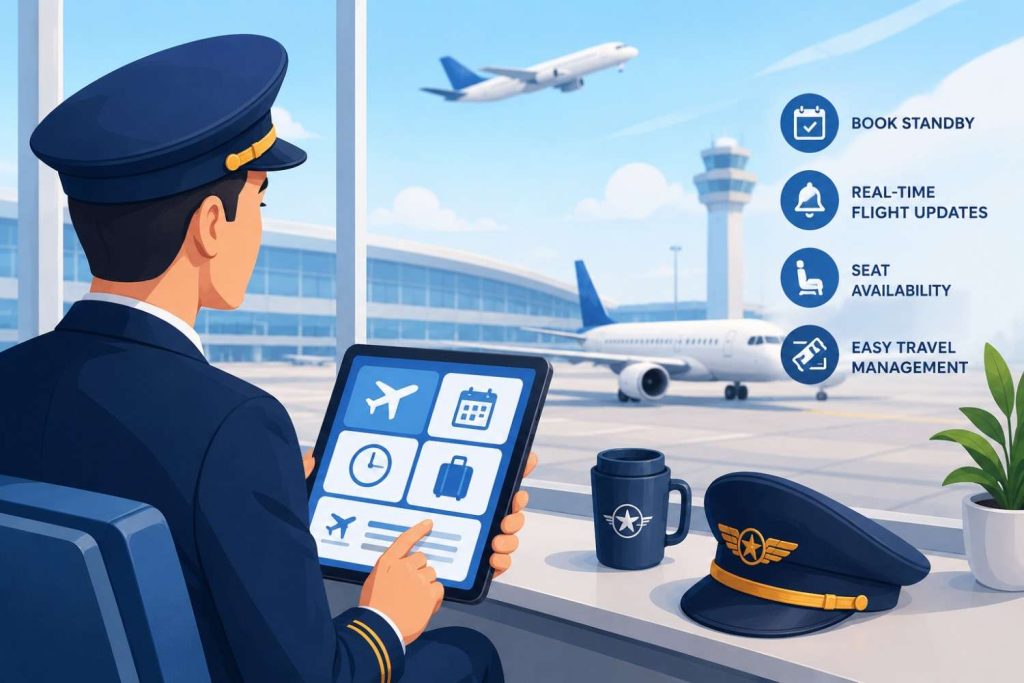
Successfully flying standby requires understanding and following specific procedures that vary between airlines. The process typically begins with adding your name to the standby list, which can often be done through airline mobile apps, websites, or at airport kiosks. Some airlines require phone calls or in-person requests at ticket counters.
Timing plays a crucial role in standby success. Most airlines allow standby list additions starting 24 hours before departure, though some restrict this window to same-day changes. Earlier list placement generally provides better positioning, as many airlines prioritize based on the time passengers joined the standby list.
Airport arrival timing becomes critical for standby passengers. Arriving early allows time for list management and provides flexibility if your preferred flight becomes unavailable. Gate agents typically begin processing standby passengers 30-60 minutes before departure, calling names in priority order as seats become available.
Documentation requirements remain strict for standby travel. Passengers must have all necessary identification, boarding passes for confirmed flights (if applicable), and any required travel documents. International standby attempts require particular attention to visa requirements and destination entry rules.
Strategic Approaches for Standby Success
Maximizing standby success requires strategic thinking and careful planning. Flight selection significantly impacts your chances, with less popular routes, off-peak travel times, and larger aircraft offering better opportunities. Business travelers often cancel Monday morning and Friday evening flights, creating openings for standby passengers on these routes.
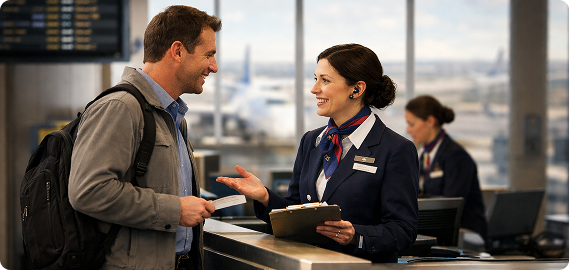
Building relationships with airline staff can provide valuable insights into flight loads and standby prospects. Gate agents often provide informal guidance about your chances and may suggest alternative flights with better availability. Maintaining courteous, patient interactions with airline personnel increases the likelihood of receiving helpful assistance.
Flexibility remains the most valuable asset for standby travelers. Having backup plans, alternative travel dates, and different destination options dramatically improves success rates. Passengers willing to accept any available seat, including middle seats or less desirable locations, generally achieve better results than those with specific preferences.
Weighing Standby Advantages & Drawbacks
Flying standby offers several compelling benefits for appropriate travelers. Cost savings represent the primary advantage, particularly for airline employees and passengers with flexible tickets who can access earlier flights without fees. The spontaneity factor appeals to adventurous travelers who enjoy uncertainty and last-minute travel decisions.
Schedule flexibility provides another significant benefit, allowing passengers to adjust their plans based on changing circumstances or preferences. For frequent flyers, standby options can transform rigid itineraries into adaptable travel experiences that accommodate business needs or personal preferences.
However, standby travel carries inherent risks and limitations. Uncertainty about departure times makes planning difficult, particularly for travelers with tight connections, important meetings, or time-sensitive obligations. Peak travel periods, holidays, and popular routes often have limited standby availability due to high demand and full flights.
Financial Considerations & Fees
Understanding standby costs helps travelers make informed decisions about this option. While airline employees often fly standby for free or minimal fees, regular passengers face varying charges depending on their ticket type and airline policies. Same-day standby fees typically range from $25 to $100 for domestic flights, with international changes costing significantly more.
Some airlines waive standby fees for elite frequent flyers or passengers holding flexible fare classes. However, budget carriers often charge higher fees or restrict standby options entirely. Travelers should calculate potential savings against the risk of missing flights and incurring additional accommodation or rebooking costs.
Final Thoughts
Flying standby remains a viable option for travelers seeking flexibility and potential savings, though success requires understanding airline policies, strategic planning, and realistic expectations about uncertainties involved. While this approach isn’t suitable for every traveler or situation, those with flexible schedules and adventurous spirits can benefit from standby opportunities. For travelers seeking reliable standby assistance and expert guidance through the complexities of standby travel, Vofox’s Standby represents an excellent option for maximizing success rates and minimizing travel disruptions. Send us a message and take a look at our offerings now.