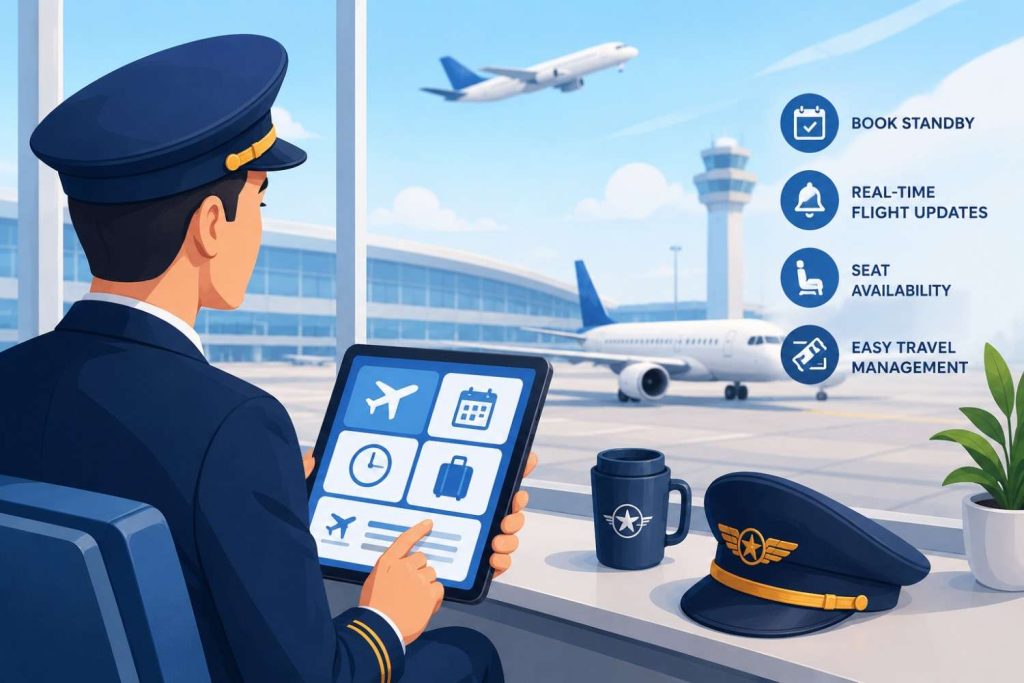
Non-revenue travel, commonly known as non-rev, represents one of the most coveted perks in the aviation industry. This unique travel privilege allows airline employees, their families, and authorized personnel to fly on standby at significantly reduced costs or sometimes completely free. Non-rev passengers occupy available seats only after all paying customers have been accommodated, making it both an exciting opportunity and a test of patience. Understanding non-rev travel requires exploring its various types, benefits, limitations, and the intricate priority systems that govern these standby arrangements. For aviation professionals and their loved ones, non-rev benefits often serve as a gateway to affordable global exploration, though success depends heavily on timing, flexibility, and strategic planning.
The Foundation of Non-Rev Benefits
Non-rev privileges stem from reciprocal agreements between airlines and represent a long-standing tradition within the aviation community. Airlines extend these benefits to maintain employee satisfaction and foster industry relationships. The non-rev system operates on space-available basis, meaning passengers with non-rev tickets can only board flights with empty seats after all revenue passengers have been seated.
Different categories of non-rev passengers exist within this system. Active airline employees typically receive the highest priority, followed by retired personnel, then family members and friends traveling on buddy passes. Each airline maintains its own non-rev policies, priority structures, and dress codes that non-rev travelers must follow.
The non-rev experience differs dramatically from regular ticketed travel. Passengers cannot guarantee their departure time, destination routing, or even their ability to reach their intended destination on a particular day. This uncertainty requires non-rev travelers to maintain flexible schedules and backup plans for their journeys.
Navigating the Priority Maze
Priority systems form the backbone of non-rev travel, determining which standby passengers board first when seats become available. Airlines typically use a combination of factors including employee seniority, ticket type, check-in time, and relationship to the sponsoring employee. Understanding these priority levels is crucial for successful non-rev travel.
Senior employees with longer service records generally receive higher non-rev priority than newer staff members. Full-time employees often rank above part-time workers, while active employees typically outrank retirees. Family members usually receive different priority levels, with spouses and children often ranking higher than extended family or friends using buddy passes.
Check-in timing can also influence non-rev priority within the same category. Many airlines award priority based on when passengers list themselves for flights, encouraging early planning and preparation. Some carriers implement a “first come, first served” approach among passengers of equal standing.
Strategic Planning for Non-Rev Success
Successful non-rev travel requires careful planning and strategic thinking. Experienced non-rev passengers develop techniques to maximize their chances of securing seats while minimizing travel disruptions. Flexibility remains the most important asset for any non-rev traveler.
Choosing flights with historically high seat availability increases non-rev success rates. Tuesday through Thursday departures typically offer better odds than weekend flights, while avoiding peak travel seasons and holidays improves chances significantly. Multiple flight options throughout the day provide backup alternatives if earlier flights fill up.
Non-rev passengers should research load factors for their intended routes, understanding which flights typically operate with available seats. Some online tools and employee resources provide real-time flight loads, helping non-rev travelers make informed decisions about when and where to travel.
The Art of Backup Planning
Professional non-rev travelers always maintain comprehensive backup plans. This includes identifying alternative routing options, considering nearby airports, and preparing for overnight stays in unexpected locations. Flexibility with dates and destinations often determines the difference between successful non-rev adventures and frustrating travel experiences.
Smart non-rev passengers pack light and carry essential items in case of delays or unexpected layovers. They research accommodation options at potential stopover cities and maintain emergency funds for unexpected expenses. Travel insurance becomes particularly valuable for non-rev passengers who face higher risks of itinerary changes.
Communication with family members or travel companions requires special attention during non-rev travel. Keeping everyone informed about potential delays, routing changes, or backup plans helps manage expectations and reduces stress when flights don’t go as originally planned.
Dress Codes & Professional Standards
Airlines maintain strict dress codes for non-rev passengers, reflecting the industry’s professional standards and the fact that these travelers represent the airline while using employee benefits. Violations of dress code policies can result in denied boarding, even when seats are available.
Business casual attire typically represents the minimum standard for non-rev travel, though specific requirements vary between airlines. Some carriers prohibit shorts, sandals, or athletic wear, while others maintain more relaxed standards for family members compared to employees. Understanding and following these guidelines prevents embarrassing situations at the gate.
Professional appearance extends beyond clothing to include grooming standards and behavior expectations. Non-rev passengers are expected to conduct themselves appropriately, understanding they’re traveling as representatives of the airline community. Inappropriate behavior can result in loss of non-rev privileges for both the passenger and the sponsoring employee.
International Non-Rev Considerations
International non-rev travel introduces additional complexities including passport requirements, visa restrictions, and customs regulations. Non-rev passengers must ensure they meet all entry requirements for their destinations, as airline staff cannot guarantee return flights if travel documents are insufficient.
Interline agreements between airlines can provide additional non-rev opportunities for international travel. These partnerships allow employees of one airline to use non-rev benefits on partner carriers, expanding routing options and increasing chances of successful travel. However, priority levels and policies may differ significantly between partner airlines.
Currency exchange and international communication become important considerations for non-rev travelers venturing overseas. Having access to funds and communication tools helps manage unexpected situations that may arise during international standby travel.
Building Non-Rev Communities
Experienced non-rev travelers often form supportive communities, sharing tips, flight information, and travel experiences. Online forums and social media groups provide valuable resources for newcomers learning the intricacies of standby travel. These communities offer practical advice about specific routes, airports, and airline policies.
Networking within the aviation industry can provide valuable insights about non-rev opportunities and potential challenges. Seasoned employees often mentor newcomers, teaching them the unwritten rules and best practices that make non-rev travel more successful and enjoyable.
The Future of Standby Travel
Non-rev travel continues adapting to changes in the airline industry, including route adjustments, fleet modifications, and policy updates. Load factors on many routes have increased over recent years, making non-rev travel more challenging but still valuable for those who understand how to navigate the system effectively.
Technology improvements have enhanced the non-rev experience through better mobile apps, real-time flight information, and streamlined check-in processes. These tools help non-rev passengers make better decisions and manage their travel more efficiently.
Final Thoughts
For airline employees and their families seeking reliable standby travel solutions, exploring specialized services can provide additional support and expertise. Vofox’s Standby offers comprehensive tools and resources designed specifically for non-rev travelers, helping them navigate the complexities of standby travel with greater confidence and success. Whether you’re new to non-rev travel or a seasoned standby passenger, having the right resources and support can transform your travel experiences from stressful uncertainty into exciting adventures filled with possibilities and discoveries. Feel free to reach out to us to explore more.